
Lake Cowichan, BC
Moss Removal in Lake Cowichan and Around the Lake
Hand roof demossing and treatment for homes in the wettest part of the Cowichan Valley, ringed by dense second-growth forest.
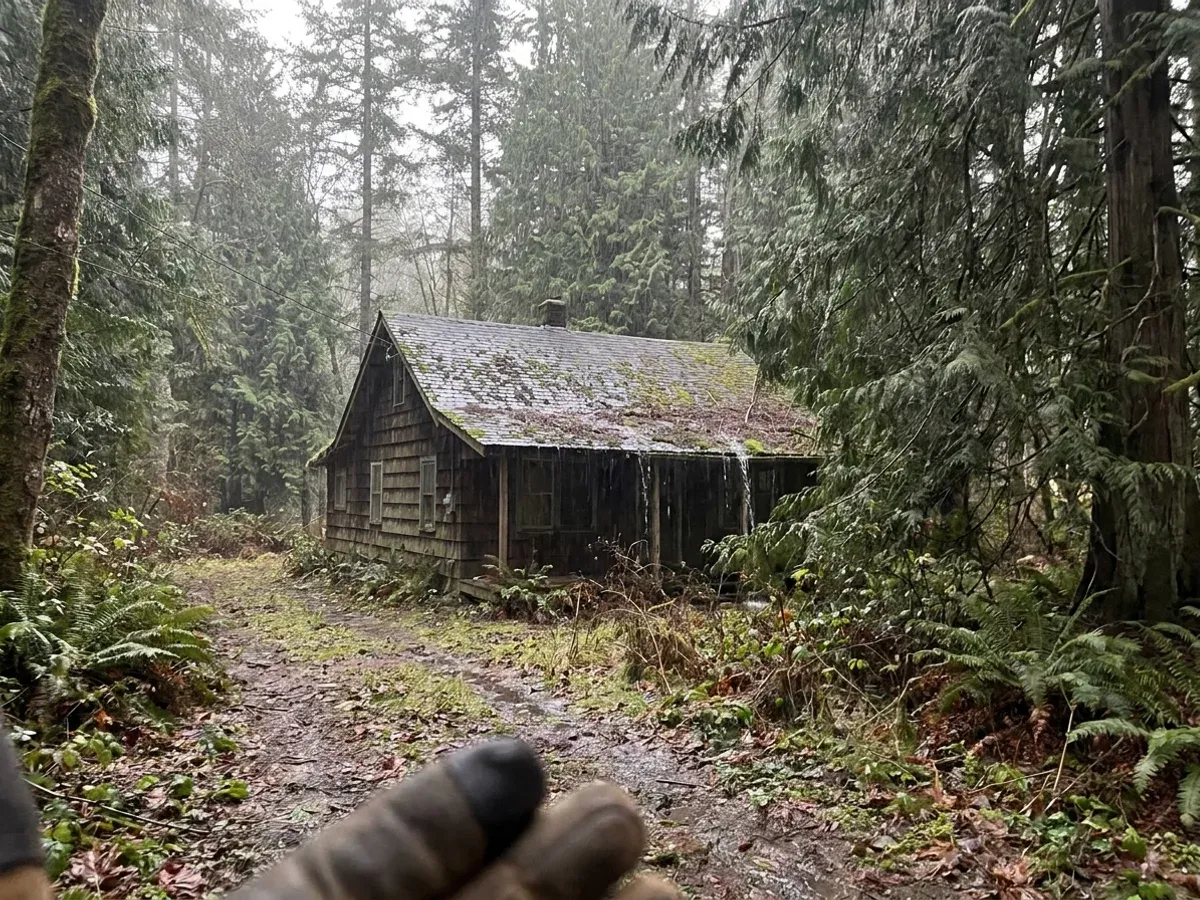
Lake Cowichan catches noticeably more rain than the towns down on the coast. It sits at the east end of Cowichan Lake, further inland and further west, tucked up against the mountains, and weather that has already crossed the island tends to let go here. More rain, a longer wet season and dense forest on every side make this the hardest part of the valley on a roof.
Second growth right up to the property line
This was a logging town, and the forest that grew back is close. On plenty of properties the second-growth fir and cedar stand within a few metres of the house, which means a steady debris load on the roof from October through March and shade for most of the day through the darkest months. Roofs simply do not get a chance to dry out between systems the way they do in Mill Bay or Cobble Hill.
Moss establishes in that debris rather than in the shingle itself, so the lower third of the roof and any north-facing slope go first. Under an overhanging limb it can be solid. The rest of the roof might still look fine while one plane is completely covered.
Mill-town houses and newer lakeside builds
The housing stock splits two ways and each half has its own weakness. The older mill-era homes are modest and simple, often with an asphalt roof that has already had a long life and a lower-slope porch or addition tacked on. Low slope plus heavy debris is the combination that holds water longest, and an older shingle has less margin left before moss lifting the edges starts letting water past.
The newer builds around the lake tend to have complicated rooflines with deep overhangs, valleys and dormers. Valleys are debris traps. Needle litter washes into them, stalls, and stays wet all winter, and moss grows out from the valley across the shingle from there.
Rain volume makes the gutters the weak point
With this much rainfall, gutters matter more here than anywhere else in the valley. Moss and needle debris fill them, the water backs up, and instead of leaving through the downpipe it pushes under the roof edge and pours down the fascia. That is a far more expensive problem than the moss that caused it. Cold nights inland add the other half: water held in the moss freezes and thaws, and each cycle prises the shingle edges a little further apart.
Roof work is hand work. Asphalt shingle must never be pressure washed, since the pressure carries off the mineral granules that shield the shingle, and cedar takes similar damage. We lift the moss off, clear out the debris feeding it, and treat the surface so the remainder dies back and weathers away over the months that follow.
Steps, walkways and the path to the river
The Cowichan River runs out of the lake here, and half the town has a set of steps, a walkway or a sloped driveway that stays in shade and never dries. That is where moss and algae become an actual slip hazard, especially on concrete stairs and on any path down toward the water. Window frames get the same treatment: channels, sills and blocked weep holes trap water in the frame and start rot from the bottom.
We are local to the Cowichan Valley, licensed and insured, and used to how much weather this end of it gets. Request a quote and we will come and look.
What we do in Lake Cowichan
Roof Moss Removal
Careful hand removal of moss from asphalt, tile, metal and cedar roofs across the valley.
Moss Treatment & Prevention
Ongoing treatment and prevention work that slows regrowth after a roof has been cleared.
Driveway & Sidewalk Moss Removal
Removing slippery moss and algae from concrete driveways, pavers, walkways and exposed aggregate.
Window Moss Removal
Clearing moss and algae from window frames, sills, tracks and blocked weep holes.
Moss removal in Lake Cowichan — common questions
Does Lake Cowichan really get more moss than the rest of the valley?
It gets more rain, a longer wet season and heavier forest cover than the coastal towns, and all three feed moss. Surfaces here stay wet longer and collect more conifer debris, so growth comes back faster after it has been cleared.
Our gutters overflow every winter. Is that a moss problem or a gutter problem?
Usually both. Moss and needle debris off the roof fill the gutter, the water backs up and pushes under the roof edge and down the fascia. Clearing the roof without clearing the gutters just moves the debris into the trough.
The house is an older mill-era place with a tired roof. Is it too far gone to clean?
Not necessarily, but it changes how we work. An older shingle is more brittle and needs a gentler hand, and if moss has already lifted edges we will say so rather than pretend a cleaning fixes a failing roof.
Do you cover Youbou, Honeymoon Bay and Mesachie Lake as well?
Yes, the communities around the lake are part of the same area for us. Conditions are much the same all the way along the shore — heavy forest, high rainfall and roofs that stay shaded.
The debris keeps blowing back on from the trees. Is treating the roof worth it?
Yes, because treatment slows regrowth even when debris keeps landing. Clearing the roof and gutters removes what moss roots into; the treatment then holds back the next generation rather than stopping the trees from dropping needles.
Other communities we cover
Moss removal in Lake Cowichan
Free quotes, licensed and insured, and a straight answer about what your roof actually needs.